We often talk about academic progress, sports achievements and structured activities. But what about creativity? The messy, imaginative, open-ended kind that gives children space to think, explore and simply try things out. It might not always look perfect, but it plays such an important role in how children learn and grow. Beyond academics and sports, creativity can show up in storytelling, drawing, building, baking, role play, music, and even the way children express their ideas in everyday conversations.
From having an idea in their head to drawing it on paper, creativity gives children the chance to explore and see where their thoughts can take them. It allows them to try things out, make changes and turn something imagined into something real. That simple process of creating something from an idea helps build confidence and encourages children to think for themselves.
Storytelling and drama have a similar effect. They give children space to share their feelings, tell their stories and understand different points of view. Whether they are making up a story, acting out a role or listening to others, they are learning how to express themselves and connect with the world around them in a natural way.
At the last half term break, we attended a children’s imaginative film workshop, and it was such a clear example of creativity in action. The children were shown pictures of different characters and settings, and from there they began to build their own ideas for an imaginary film. I was honestly amazed to see how quickly they started linking characters together, placing them into different settings and thinking about how the story might unfold.
After that, they turned their storyboard into a film poster. Seeing their ideas transformed into something visual and finished was wonderful. It showed how creativity can move from a thought in the mind, to a plan on paper, and finally into a completed piece of work they were proud of.
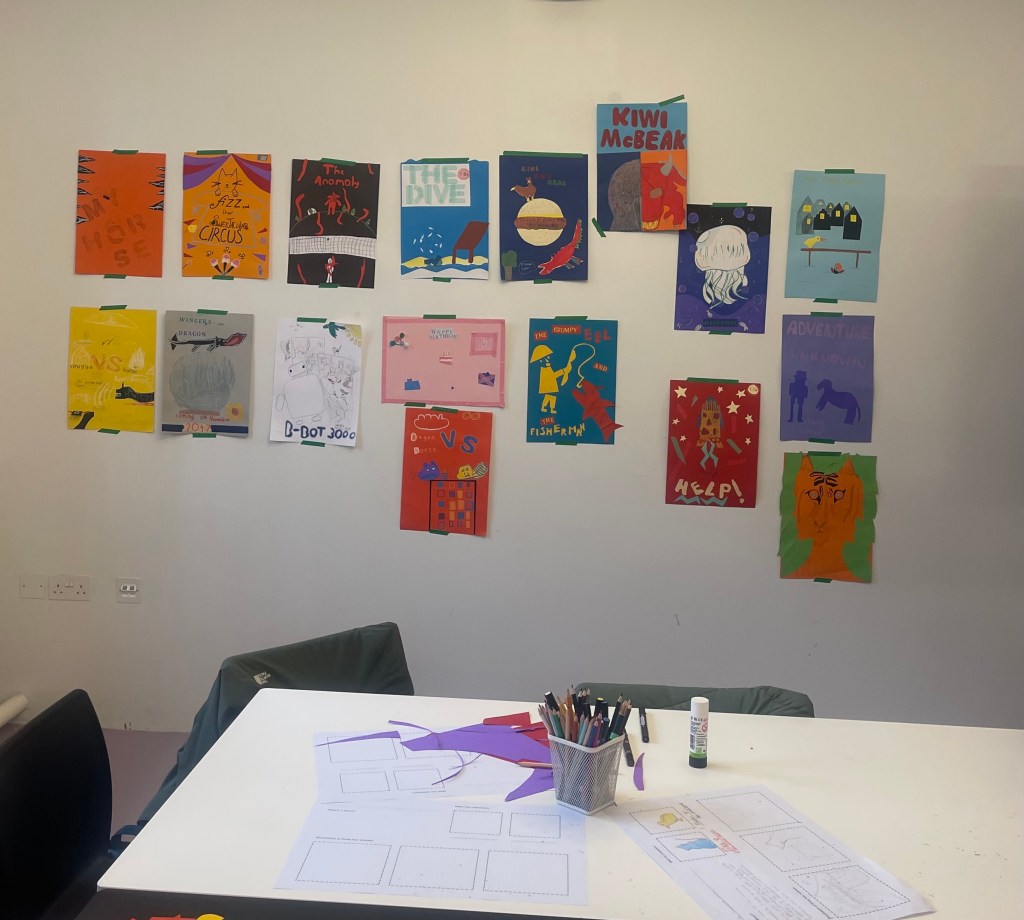
Days like this show how powerful creative experiences can be. When children are given space, simple materials and a little guidance, they often surprise us with what they can come up with. It is not about producing something perfect. It is about giving them the chance to think, explore and express their ideas in their own way. Opportunities like this can gently build confidence, independence and curiosity over time.
Practical Ways to Encourage Creativity at Home and Beyond.
There are simple ways we can encourage creativity in everyday life. Asking open questions is a great place to start. For example, instead of giving an answer straight away, you might ask, “If you were to describe the sky, what would you say?” Questions like this invite children to think and share their own ideas.
Providing simple materials can also make a big difference. Things like cardboard, colouring pencils, paper or even everyday household items can spark imagination. Creativity does not need to be expensive or highly structured. It can come from simple things like baking together in the kitchen, building with blocks, pretending during play, drawing or telling stories. Often, the simplest activities lead to the biggest ideas.
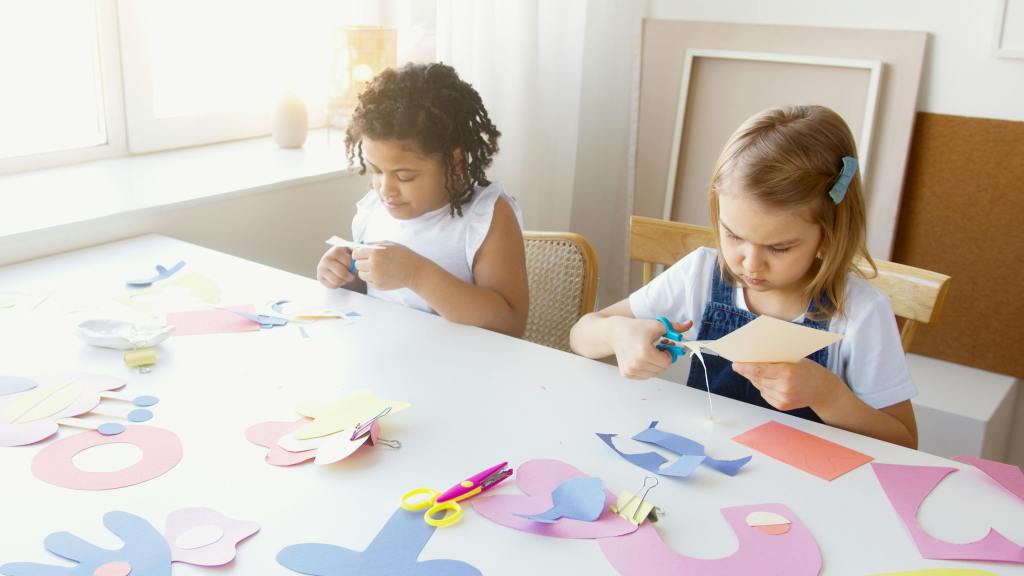
Visiting creative spaces is another wonderful way to inspire children. Museums, workshops, art galleries and community activities often give children new ideas and experiences to build on. And most importantly, try to let children lead where possible. When they feel trusted to explore their own ideas, their confidence and creativity naturally grow.
Creativity isn’t about producing perfect results. It’s about giving children room to imagine, try and express themselves. When we create that space for them, we are helping them grow in confidence and curiosity in ways that truly matter.
What creative activities does your child enjoy most? Let’s share ideas in the comments and inspire each other.
 Parenting Cafe - Conversations and Connections
Leave a comment